
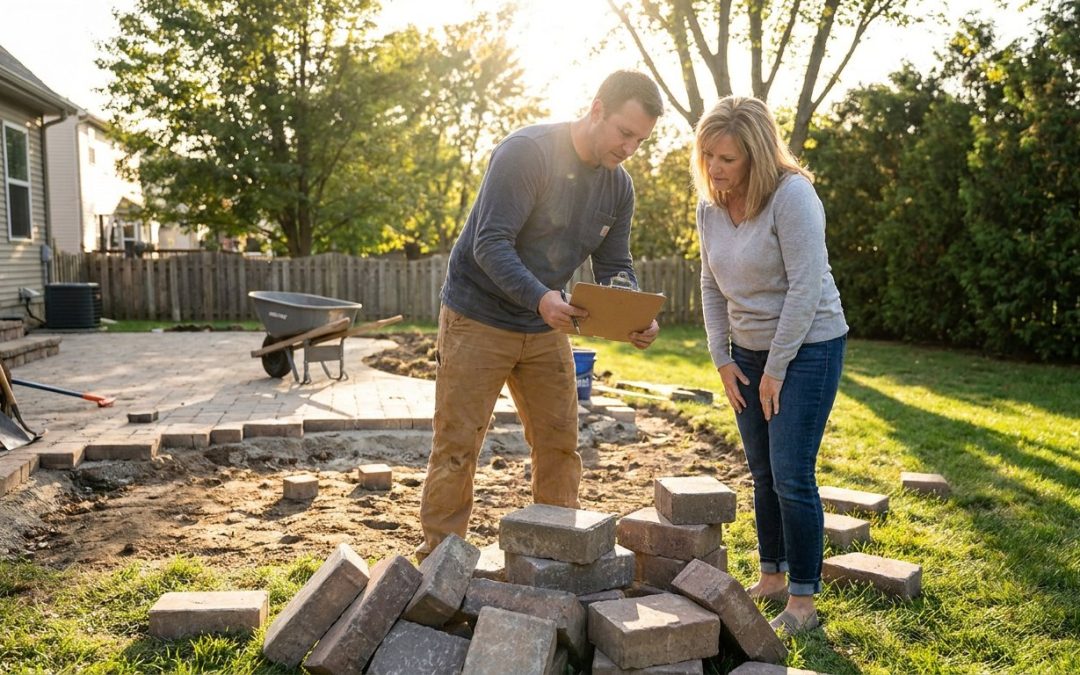
Pavers
Factors Influencing Paver Prices
When planning a hardscaping project, understanding the cost of pavers per square foot is crucial for budgeting and decision-making. The price range varies significantly based on several key factors that homeowners should consider before making a purchase. Material quality, design complexity, and regional pricing differences all contribute to the final cost per square foot.
Material Type and Quality
The type of material you choose dramatically impacts your project’s cost per square foot. Concrete pavers typically range from $3 to $6 per square foot, offering an affordable and versatile option for many homeowners. Clay brick pavers, known for their classic appearance and durability, generally cost between $8 and $15 per square foot. Natural stone pavers, including bluestone, travertine, and granite, represent the premium end of the spectrum, ranging from $15 to $30 per square foot depending on the specific stone and its availability.
Pattern Complexity and Design
Simple patterns like running bond or stack bond typically require less cutting and labor, keeping costs lower. More intricate designs such as herringbone, basket weave, or circular patterns increase installation time and material waste, potentially adding $1 to $3 per square foot to your project cost. The complexity of your design directly affects both material requirements and labor expenses.
Regional Price Variations
Geographical location plays a significant role in paver pricing. Areas with higher costs of living typically see increased material and labor costs. Additionally, transportation expenses for materials not locally sourced can add to the overall price per square foot. Local availability of certain paver types may create price advantages for materials that don’t need to be shipped long distances.
Breaking Down Installation Costs
Beyond the pavers themselves, installation represents a substantial portion of your project’s total cost. Professional installation typically ranges from $8 to $25 per square foot, depending on the project’s complexity and site conditions.
Site Preparation Requirements
Proper site preparation is essential for a long-lasting paver installation. This process includes excavation, grading, and compacting the base material. Sites with significant slope issues or poor drainage may require additional preparation work, increasing the overall cost per square foot. The depth and type of base material needed also affect pricing, with thicker bases required for areas with vehicle traffic.
Labor Costs and Expertise
Labor costs vary based on the installer’s experience and your region’s prevailing wages. Highly skilled installers may charge more but typically deliver superior results with proper attention to detail, including precise cutting, pattern alignment, and proper sealing. While DIY installation can save on labor costs, improper installation often leads to higher long-term expenses due to shifting, settling, or drainage issues.
Additional Installation Components
Several necessary components contribute to the complete installation cost:
- Base materials (gravel, sand) typically cost $1-$3 per square foot
- Edge restraints are essential for preventing shifting and add $0.50-$1.50 per square foot
- Geotextile fabric for weed prevention costs approximately $0.25-$0.75 per square foot
- Sealing services, recommended for many paver types, add $0.50-$1.50 per square foot
Comparing Paver Material Costs
Different paver materials offer varying price points and benefits. Understanding these differences helps homeowners make informed decisions based on their budget and aesthetic preferences.
Concrete Pavers: The Budget-Friendly Option
Concrete pavers provide the most cost-effective solution, typically ranging from $3 to $6 per square foot for materials alone. Modern manufacturing techniques allow concrete pavers to mimic more expensive materials like natural stone or brick while maintaining a lower price point. They come in various shapes, sizes, and colors, offering design flexibility without the premium cost.
Clay Brick Pavers: Traditional Charm
Clay brick pavers offer timeless appeal and excellent durability, with material costs between $8 and $15 per square foot. Their natural resistance to fading and high compressive strength make them suitable for high-traffic areas. While more expensive than concrete, many homeowners find the classic appearance worth the additional investment.
Natural Stone Pavers: Premium Elegance
Natural stone represents the highest end of the paver market, with prices ranging from $15 to $30 per square foot. The unique variations in natural stone create one-of-a-kind installations that cannot be replicated with manufactured materials. Popular options include:
- Bluestone: $15-$25 per square foot
- Travertine: $18-$28 per square foot
- Granite: $20-$30 per square foot
- Limestone: $16-$26 per square foot
Long-Term Value Considerations
While initial cost per square foot is important, considering long-term value provides a more complete financial picture of your paver investment.
Durability and Maintenance Costs
Higher-quality pavers often require less maintenance and last longer, potentially providing better value over time. Natural stone and high-quality concrete pavers can last decades with proper care, while cheaper alternatives may need replacement sooner. Regular maintenance including sealing, cleaning, and occasional joint sand replenishment contributes to long-term costs but preserves your investment.
Property Value Impact
Well-installed paver projects typically increase property value and curb appeal. Most homeowners recoup a significant portion of their investment when selling their property. The quality of installation matters as much as the materials chosen, with professional installations providing better returns than DIY projects that show visible flaws.
Warranty Considerations
Many paver manufacturers offer warranties ranging from 10 years to lifetime coverage. Higher-grade products typically come with better warranty protection, adding value to your investment. Professional installers often provide workmanship warranties that cover installation issues, giving homeowners additional peace of mind.
Budgeting Tips for Your Paver Project
Proper planning and budgeting ensure your paver project stays within financial expectations while delivering the desired results.
Getting Accurate Quotes
Always obtain multiple quotes from reputable contractors, ensuring they include all aspects of the project: materials, labor, site preparation, and additional components. The team at The Paver and Turf Store can provide detailed quotes that help homeowners understand exactly what’s included in their per-square-foot pricing.
Planning for Contingencies
Smart budgeting includes setting aside 10-15% of your total project cost for unexpected expenses. Site conditions sometimes reveal issues like poor drainage or unstable soil that require additional work. Having a contingency fund prevents project delays or quality compromises due to budget constraints.
Seasonal Pricing Considerations
Pricing often fluctuates seasonally, with higher demand during spring and summer months potentially increasing costs. Scheduling your project during off-peak seasons might result in better pricing from contractors with availability. Some materials may also be priced lower during certain times of year.
Making Informed Decisions
Understanding the complete picture of paver costs per square foot empowers homeowners to make choices that balance budget constraints with quality expectations. The actual price you pay will depend on your specific material selections, site conditions, and design complexity.
For personalized guidance based on your specific project requirements and local conditions, consider consulting with paving professionals who can provide detailed assessments and accurate cost estimates. The experts at The Paver and Turf Store can help you navigate these decisions while staying within your budget parameters.
Remember that while initial cost is important, the long-term value, durability, and aesthetic appeal of quality pavers often justify investment in better materials and professional installation. Your outdoor space represents a significant investment in your property’s value and your family’s enjoyment, making informed decisions about cost per square foot crucial to project success.