
Turf
Introduction to Artificial Turf Care
Artificial turf has become a popular choice for homeowners and businesses seeking a low-maintenance, evergreen landscape solution. While it doesn’t require the same level of care as natural grass, proper maintenance is essential to preserve its appearance, functionality, and longevity. A well-maintained artificial lawn can last 15-20 years or more, providing a beautiful and usable outdoor space with minimal effort. This guide will walk you through the essential steps to keep your synthetic grass looking its best year after year.
Regular Cleaning and Debris Removal
One of the simplest yet most important aspects of artificial turf maintenance is regular debris removal. Unlike natural grass, synthetic turf doesn’t break down organic matter, so leaves, twigs, and other debris can accumulate and potentially cause damage or discoloration if left unattended.
Weekly Maintenance Routine
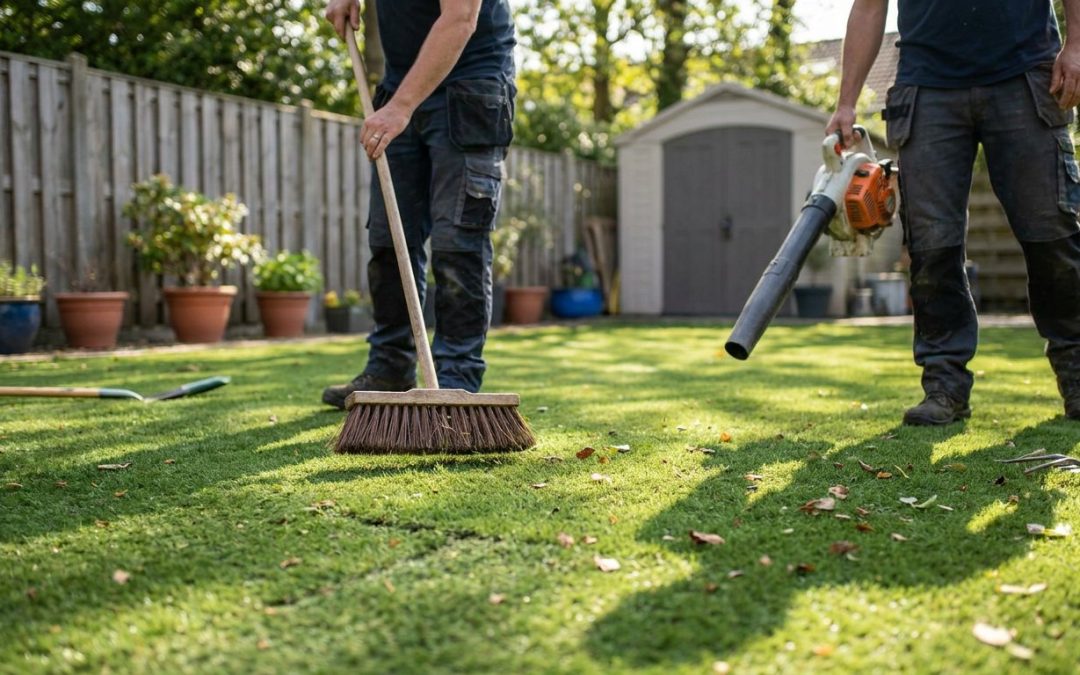
Establishing a consistent weekly cleaning routine will help prevent buildup and keep your turf looking fresh. Use a leaf blower, a stiff-bristled broom, or a plastic rake to remove surface debris. Avoid metal rakes as they can damage the turf fibers. For larger properties, a leaf blower is the most efficient tool, quickly clearing leaves and light debris without disturbing the infill.
Seasonal Considerations
During fall, when trees shed their leaves, you may need to clean your turf more frequently. In spring, pollen can accumulate and may require rinsing with water to prevent a yellowish tint. In winter, remove snow with a plastic shovel if necessary, but avoid using salt or chemical deicers which can damage the turf backing and affect drainage.
Proper Brushing Techniques
Regular brushing is crucial for maintaining the upright position of turf fibers and preventing matting, especially in high-traffic areas. Over time, foot traffic and weather can cause the blades to lay flat, making your lawn appear worn and less vibrant.
Choosing the Right Tools
Use a synthetic turf brush with synthetic bristles or a power broom specifically designed for artificial grass. These tools are effective at lifting the fibers without causing damage. The team at The Paver and Turf Store can recommend the appropriate brushing tools for your specific turf type.
Brushing Frequency and Method
Brush your turf every month or two, or more frequently in areas with heavy use. Always brush against the grain of the turf to effectively lift the fibers. For best results, brush when the turf is dry, as moisture can make the fibers more susceptible to damage.
Managing Spills and Stains
While artificial turf is resistant to most stains, prompt attention to spills will keep your lawn looking its best. Most common household spills can be easily managed with simple cleaning techniques.
Liquid Spills
For most liquid spills, simply rinse the area with water. For sticky substances like soda or juice, use a mild detergent mixed with water and gently scrub the area with a soft brush. Always rinse thoroughly to remove any soap residue that might attract dirt.
Solid or Oily Substances
Remove solid materials like gum or wax by hardening them with ice and then carefully scraping them off with a plastic putty knife. For oil-based stains, use a mild degreaser specifically formulated for artificial turf, following the manufacturer’s instructions carefully.
Weed Prevention and Control
Although artificial turf is designed to prevent weed growth, occasional weeds may appear through the drainage holes or along the edges. Proper installation with a quality weed barrier significantly reduces this issue, but some maintenance may still be required.
Preventative Measures
Ensure your turf installation includes a proper weed barrier beneath the base material. Regularly inspect the perimeter where turf meets other surfaces, as weeds often start growing from the edges. Keeping the surface free of organic debris also reduces the chance of weed seeds finding a place to germinate.
Safe Weed Removal
If weeds do appear, remove them by hand or use a weed killer that’s safe for artificial turf. Avoid products containing dyes or that might stain the turf fibers. Never use vinegar-based solutions or bleach, as these can damage the turf backing and affect drainage.
Managing Pet Areas
Artificial turf is an excellent solution for pet owners, as it’s easy to clean and doesn’t develop muddy patches. However, areas frequented by pets require specific maintenance to control odors and ensure proper sanitation.
Regular Cleaning Protocol
Solid waste should be removed promptly, just as you would with natural grass. For liquid waste, artificial turf drains efficiently, but occasional rinsing helps prevent odor buildup. Use a hose to rinse the area where pets frequently urinate, focusing on the drainage points.
Odor Control Solutions
For persistent odors, use enzyme-based cleaners specifically designed for artificial turf. These break down the urine crystals that cause odors without damaging the turf. Avoid ammonia-based products, as they can actually intensify odors over time.
Seasonal Maintenance Considerations
Different seasons present unique challenges for artificial turf maintenance. Adapting your care routine throughout the year will help protect your investment regardless of weather conditions.
Summer Care
During hot weather, artificial turf can become warmer than natural grass. Lightly spraying with water can cool the surface for comfortable use. Also, be mindful of reflected sunlight from windows that might focus heat on specific areas.
Winter Preparation
In colder climates, artificial turf performs well but requires some special consideration. Remove snow with a plastic shovel if necessary, but avoid sharp tools that could puncture the backing. Refrain from walking on frozen turf as the fibers become more brittle and susceptible to damage.
Professional Maintenance and When to Seek Help
While most artificial turf maintenance can be handled by homeowners, certain situations warrant professional attention. Understanding when to call experts can save you time and prevent costly mistakes.
Infill Top-Ups
Over time, the infill material that supports the turf fibers may settle or diminish. Every few years, your turf might benefit from additional infill to maintain optimal performance. Professionals can assess your turf and apply the correct type and amount of infill.
Major Repairs
If your turf develops significant damage such as large tears, seam separation, or drainage issues, contact installation professionals. Attempting major repairs without proper knowledge can void warranties and lead to more extensive damage.
Long-Term Preservation Tips
With proper care, your artificial turf will provide years of beauty and functionality. These long-term preservation strategies will help maximize your investment.
Avoiding Damage
Prevent damage by keeping sharp objects, hot grills, and furniture with sharp legs off the turf. Use protective mats under furniture legs and avoid using chemicals not specifically designed for artificial turf. Be cautious with fireworks or other heat sources that could melt the fibers.
UV Protection
Quality artificial turf includes UV inhibitors to prevent fading, but excessive direct sunlight can still affect coloration over time. There are UV protectant sprays available that can help maintain color vibrancy for extended periods.
Conclusion: Enjoying Your Beautiful Artificial Lawn
Maintaining artificial turf is straightforward when you establish a regular care routine. By following these practical steps—regular cleaning, proper brushing, prompt spill management, and seasonal adjustments—you’ll keep your synthetic lawn looking lush and vibrant for years to come. Remember that quality installation is the foundation of easy maintenance, so ensure your turf was properly installed with appropriate base preparation and drainage. If you have questions about your specific turf needs or encounter maintenance challenges beyond routine care, don’t hesitate to reach out to turf professionals who can provide expert guidance tailored to your situation.